September 2026 · Andrea Benetti’s exhibition in Pietrasanta
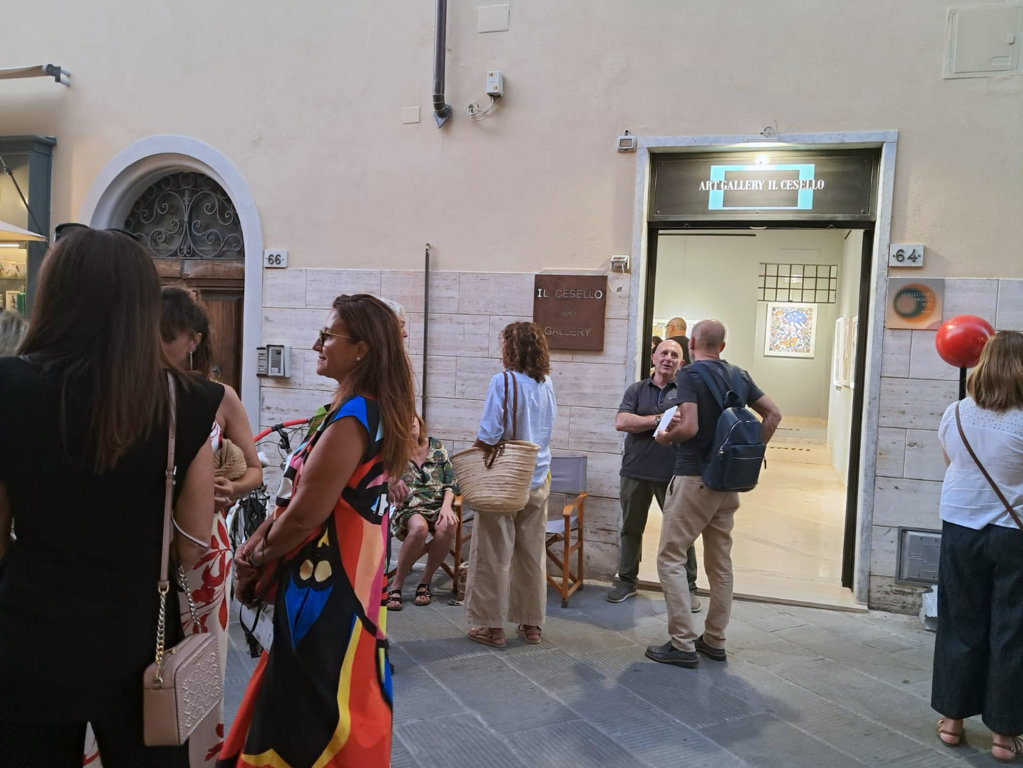
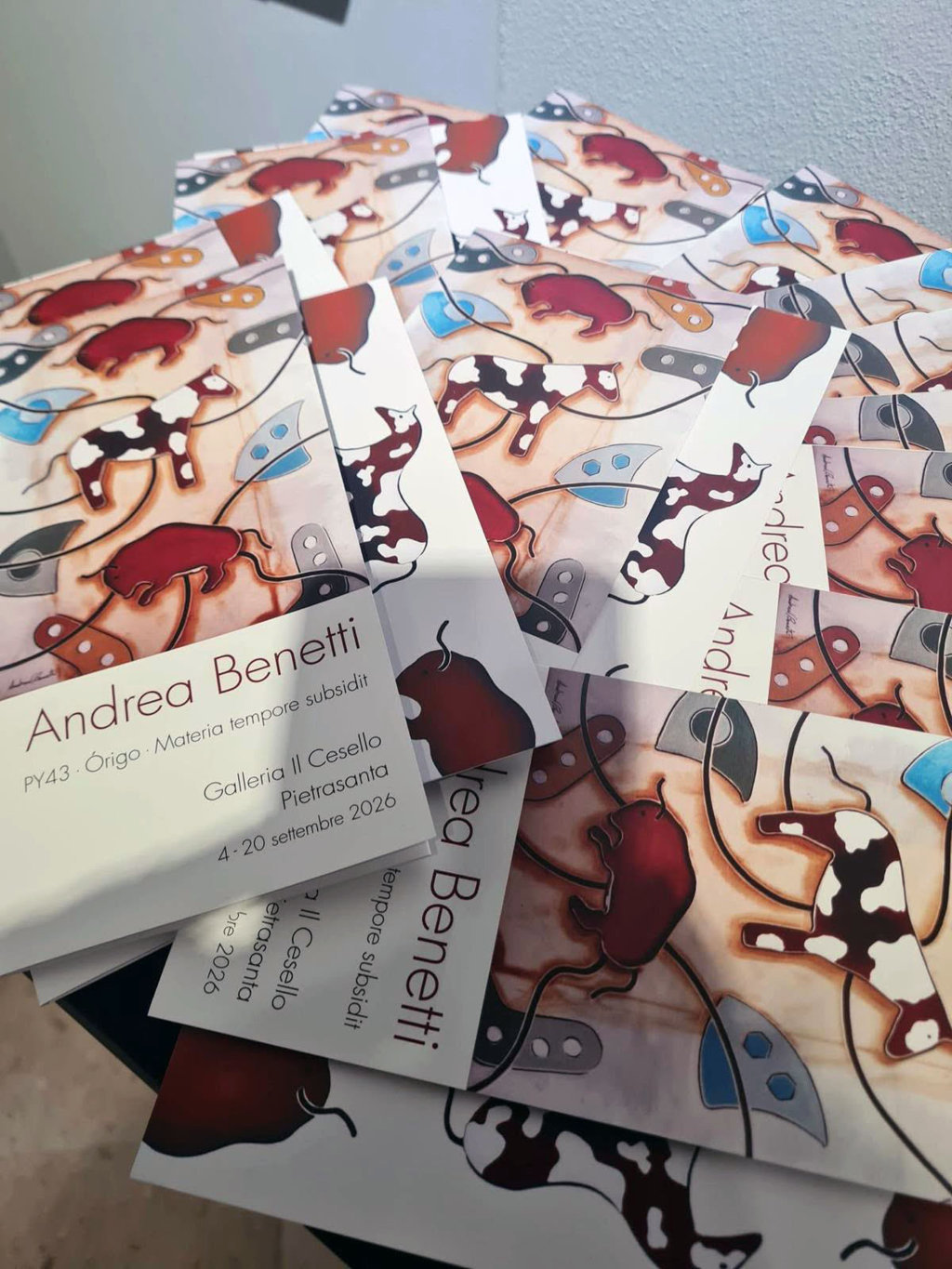
Pietrasanta · Art Gallery Il Cesello
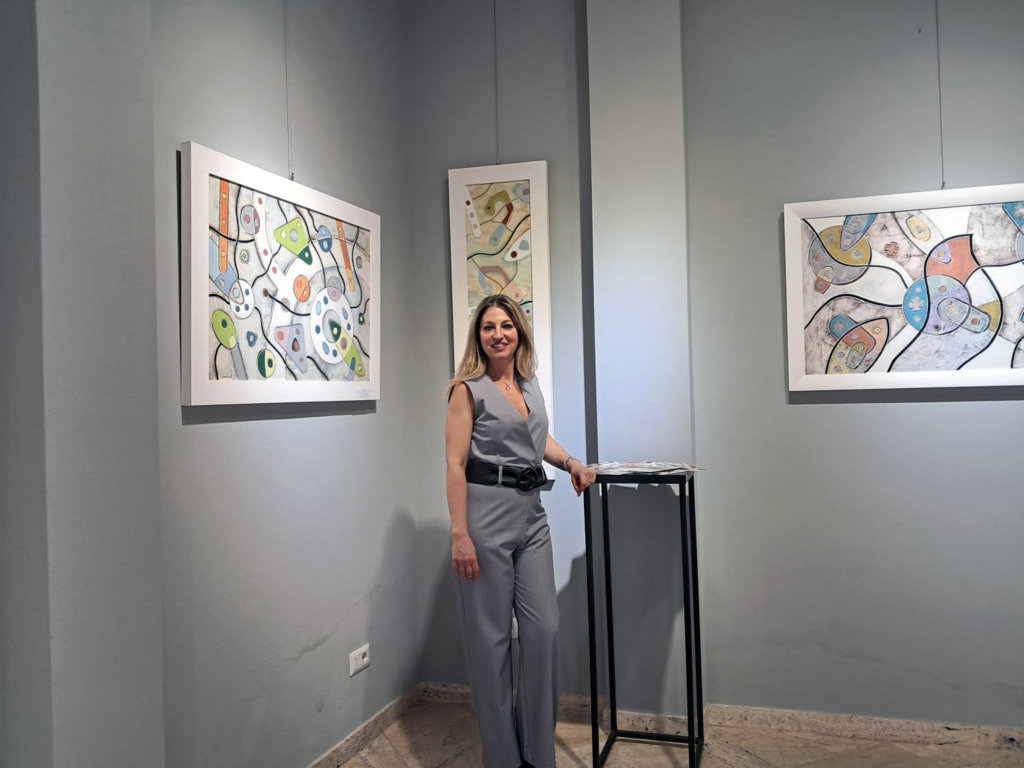
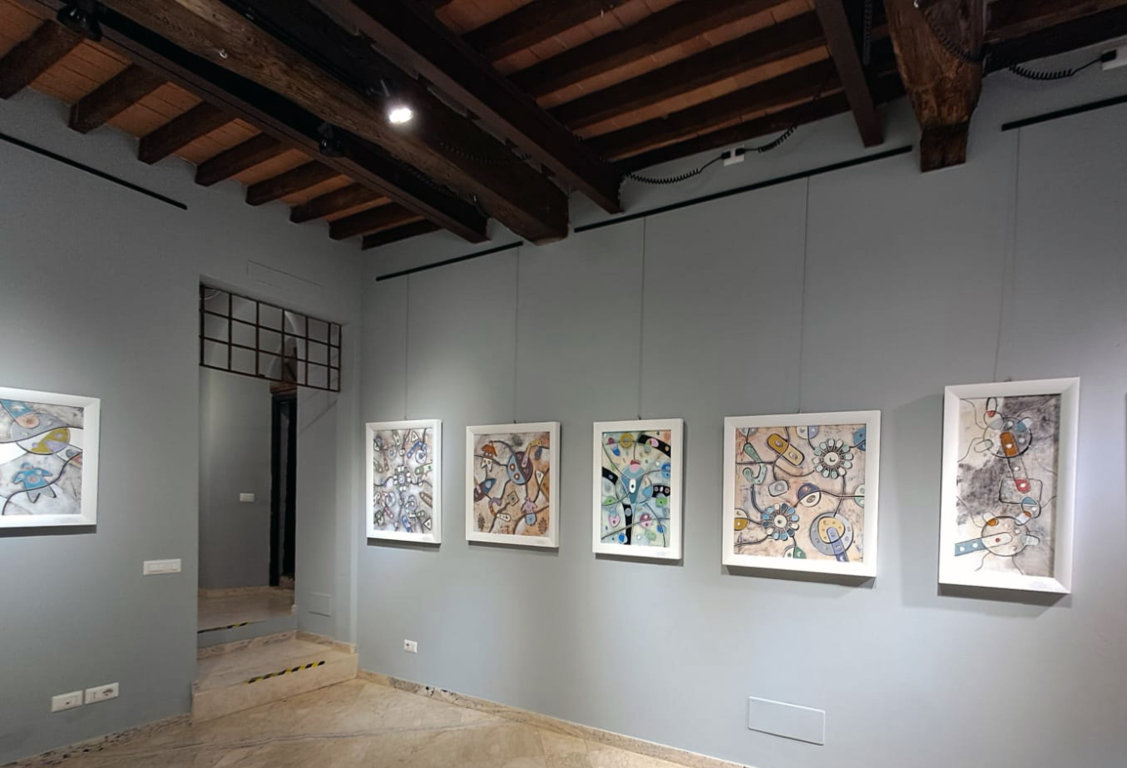
“PY43 · Órigo – Materia tempore subsidit” by Andrea Benetti, curated by Laura Luciano
Under the patronage of the Municipality of Pietrasanta, Ugo Guidi Museum, Atelier 15
The exhibition “PY43 – Órigo” originates from an apparently minimal element: a code. PY43, the identifier of ochre in the Colour Index International, refers to one of the oldest pigments used by humankind, a primary material that traverses both geological and cultural time while preserving its presence intact.
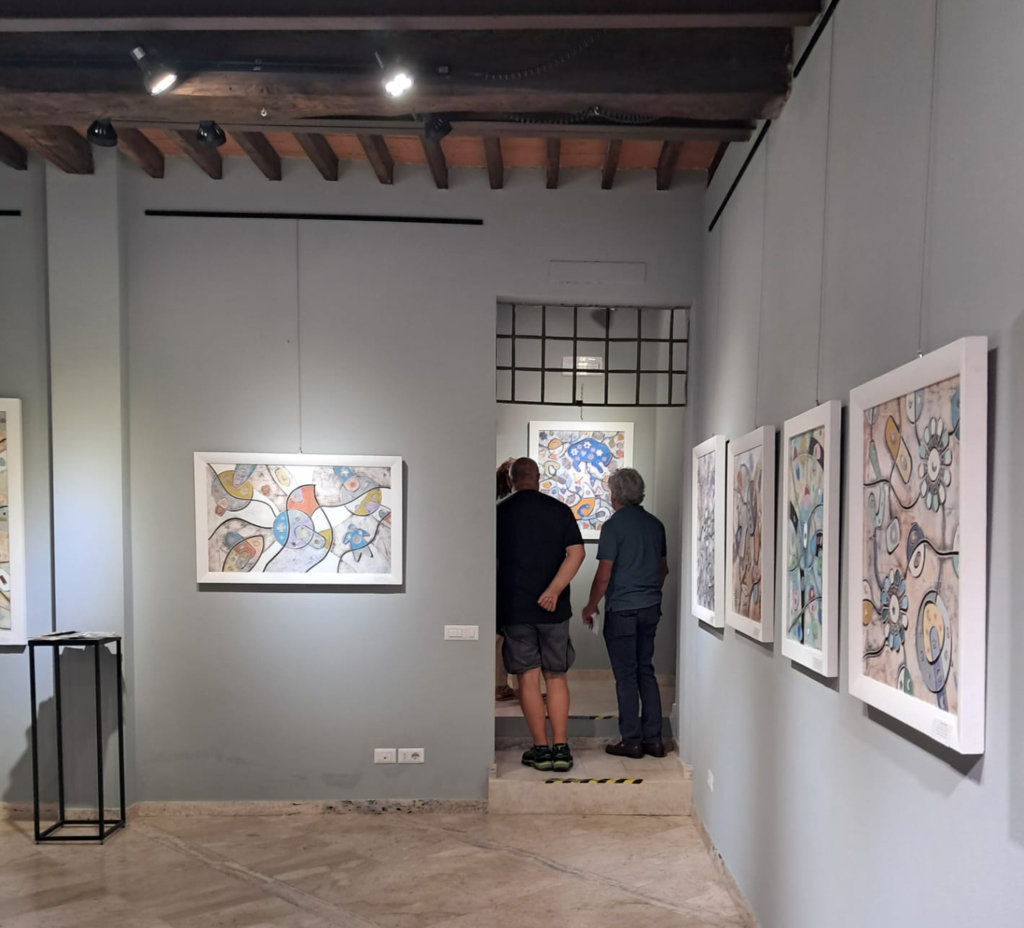
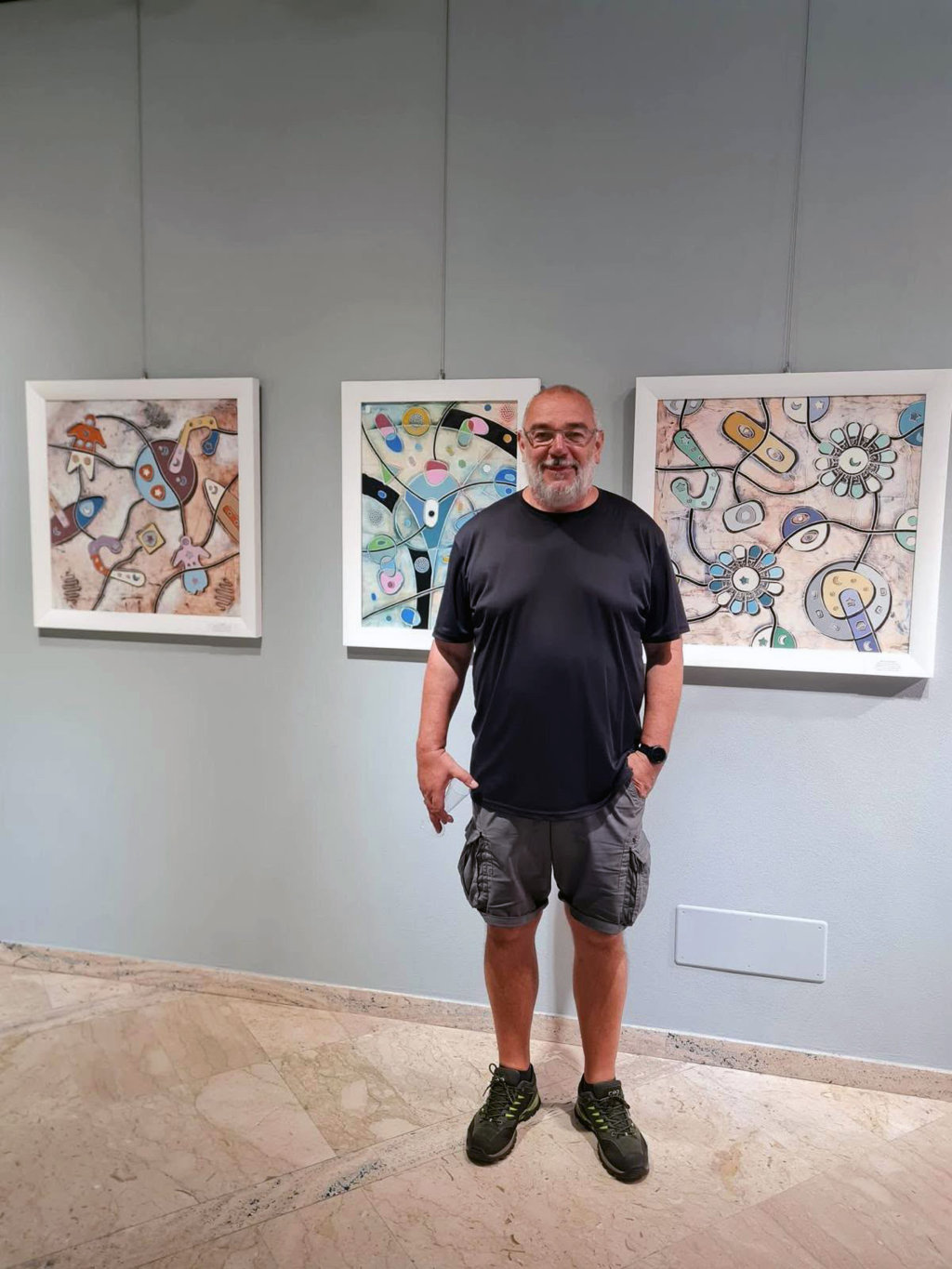
Within this context, painting does not present itself as representation, but as a surface of deposition. The works take shape as stratified fields, in which the mark does not merely construct an image in the traditional sense, but emerges as trace, as residue, as the surfacing of a non-linear memory. The pictorial matter comes to the surface within space and thus becomes a site of accumulation, where time itself narrates its history.
The reference to stratigraphy is therefore not metaphorical, but structural. As in geological processes, each visual layer preserves and at the same time transforms what precedes it, generating a depth that is not illusionistic, but real. The surface presents itself as a section, as a cut through time, making visible a sedimented temporality composed of continuities and interruptions.
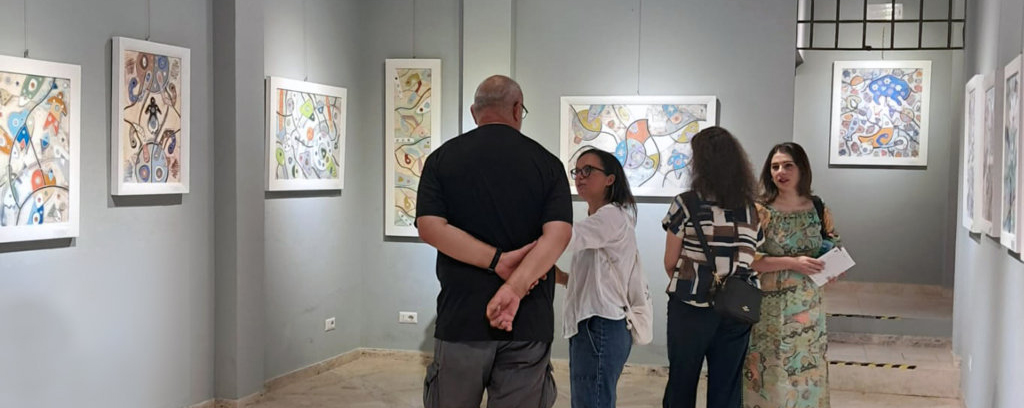
From this perspective, abstraction is not a subtraction from reality, but its radical concentration. Forms, reduced to essential elements, precede representation itself, placing themselves in an original dimension in which gesture and matter coincide. This is not a return to the past, but rather a material that traverses time, transforms itself, and becomes image, without belonging to a specific era.
“PY43 – Órigo” thus proposes a reflection on matter as a deposit of time, as time that deposits itself. A painting that does not seek to describe, but to retain; that narrates through what it retains. Within it, the mark is never immediate, but the result of a slow sedimentation, in which time becomes visible in the very form of the work.
PRESS REVIEW
- Agenzia Internazionale Stampa Estera
- Agenzia Stampa CULT
- La Nazione
- Arte e società
- The Gram Journal
- Artu Magazine
- Spazio 50
- Juliet Art Magazine
- Le Culture
- Insider Trend
- Comune di Pietrasanta
- Artribune
- Exibart
- InItaly
- Itinerari nell'Arte
- Touch Point News
- Lucca in diretta
- Lucca Live
- Visit Versilia
- Theoria
- Mincio&Dintorni
- Gazzetta di Viareggio
- La Notizia
- SudOvestMilano
- Gazzetta delle Valli
- Oblò
 © Copyright · All rights reserved 2006 > 2025 · Italian Contemporary Art